ServicesRoof Inspections
Roof Inspections in La Rue, OH
We walk your roof, check the flashing and vents, and look at the attic decking from below. You get photos and a straight read on what needs attention now, what can wait a few seasons, and roughly how long the roof has left.
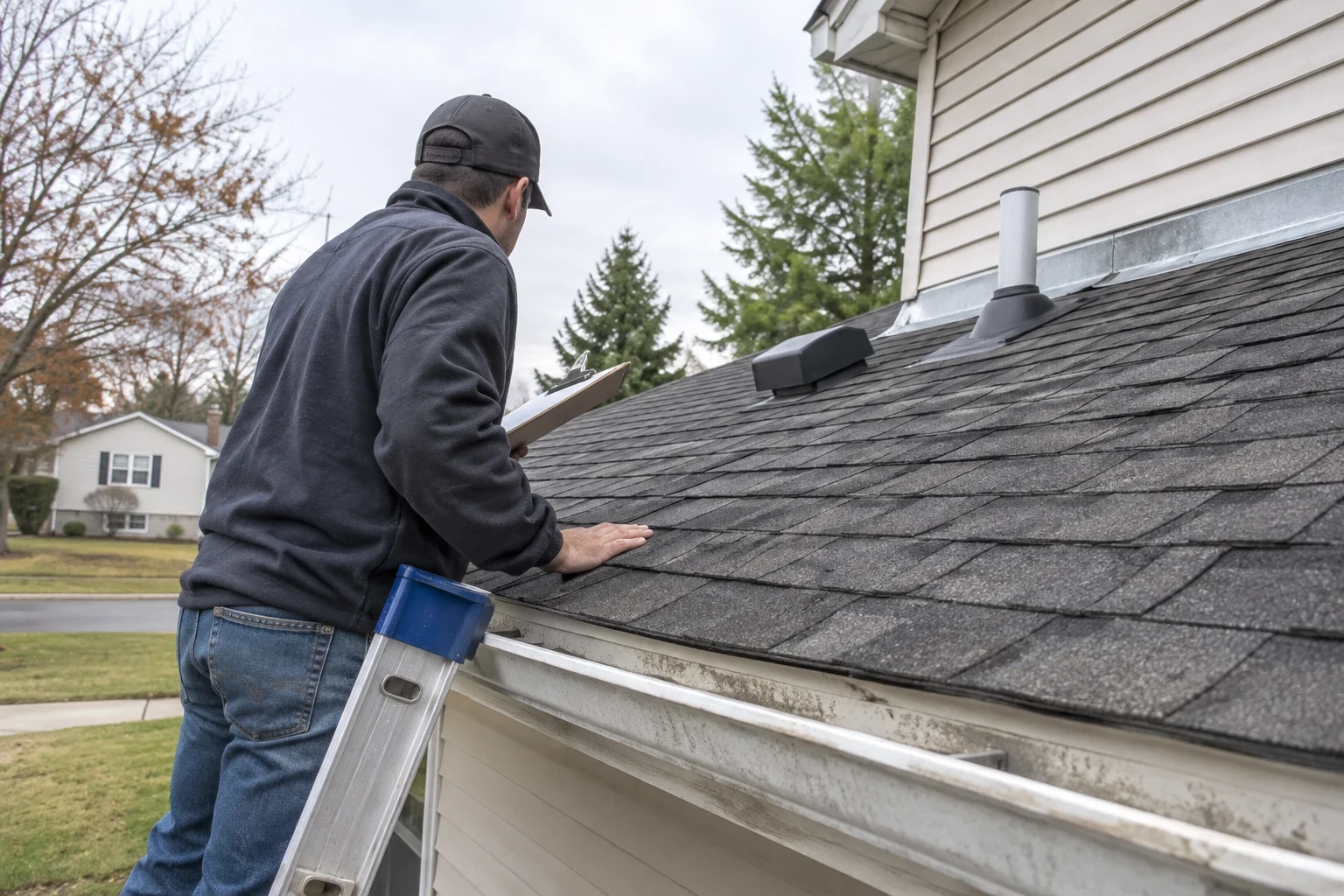
What a Roof Inspection Tells You
Most roofs wear out gradually. Asphalt shingles shed their granules, the factory sealant strips stop bonding, and the rubber collar on a plumbing vent boot cracks after enough summers of sun. Almost none of this is visible from the yard, and a ceiling stain usually shows up only after the plywood decking above it has been soaking up water for weeks or months.
Catching that wear early keeps the fix to a small repair instead of a rushed replacement. It also gives you a figure to plan around. If the shingles have about five good years left, you can save toward the job and pick the season yourself, instead of having a February leak pick it for you.
We inspect roofs for homeowners in La Rue and nearby towns like Marion, Kenton and Richwood. The visit follows the same steps for a purchase, a sale or a routine check on the roof over your home.
What We Check on Every Inspection
- Shingle condition and age
- We look for granule loss, curling, cracking and lifted tabs. Bare asphalt mat means the shingle is losing its UV protection, and that tells us a lot about remaining life.
- Flashing and penetrations
- Chimney step flashing, valley metal, plumbing vent boots and exhaust vents are where most leaks start. We check for loose counterflashing, dried-out sealant and split rubber collars.
- Attic and decking from below
- From inside the attic we look for daylight at nail lines, water staining on the sheathing, frost marks and mold. These show problems the shingle surface hides.
- Ventilation and insulation
- Blocked soffit vents or too little ridge exhaust trap heat and moisture. That cooks shingles from underneath in summer and feeds ice dams in winter.
- Gutters, soffit and fascia
- We note sagging gutters, soft fascia boards and damaged soffit panels, since water that misses the gutter ends up rotting the roof edge.
- Photo report and timeline
- You get photos of what we found and a written list sorted into now, soon and later, so you can budget each item.
Signs It Is Time for an Inspection
Your roof is past 15 years
Standard architectural shingles usually show real wear somewhere in their second decade. A check at this stage tells you whether to plan for replacement or keep maintaining.
Granules in the downspouts
A handful of gritty granules after a heavy rain means the shingle surface is breaking down. It is an early sign to plan around, and there is usually time to act on your schedule.
Ice along the eaves last winter
A band of ice at the roof edge usually points to warm attic air thawing the snow on the upper slope. The runoff freezes again once it reaches the colder overhang, and that ice can force water up under the shingle courses. Tracking down the heat loss before the next cold season is worth the visit.
Stains or a musty attic
Brown rings on a ceiling or a damp smell upstairs often trace back to a flashing or vent boot problem. Finding the source early keeps the repair small.
Buying or selling a home
Knowing the roof's real condition before closing helps both sides set a fair price and avoid surprises after the sale.
How the Inspection Day Runs
- 1
Schedule by phone
Call us and we will set a time and ask a few questions about the roof's age, any past leaks and what prompted the call. You do not need to be home for the exterior portion, but we need access for the attic.
- 2
Exterior walk
We go up on the roof when it is safe to walk and inspect the field, ridges, valleys and every penetration. On steep or fragile roofs we work from a ladder and use close-up photos instead.
- 3
Attic check
Inside, we look at the underside of the decking, the rafters, ventilation openings and insulation depth. This usually takes less time than the roof itself.
- 4
Walkthrough of findings
We show you the photos and explain each item, what caused it and what happens if it waits. If a small repair makes sense, we say so. If replacement is closer than you hoped, we tell you that too, along with a realistic window to plan for.
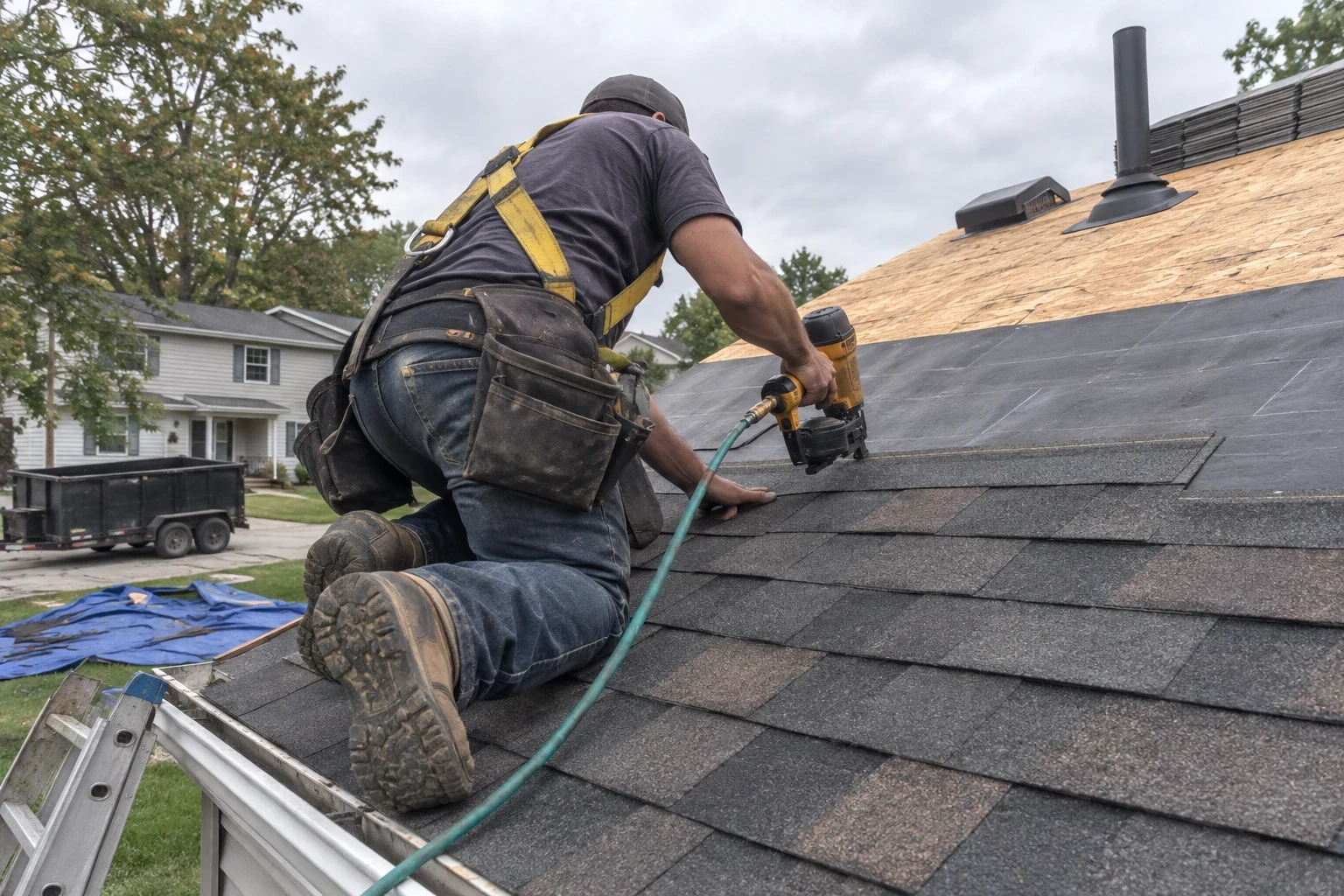
What Sets the Price of an Inspection
The price comes down to how long a thorough inspection takes and what safety setup your roof calls for. We tell you the cost over the phone before the visit goes on the calendar, so nothing is left to sort out afterward.
- Roof size and shape
- A plain two-slope roof takes little time to cover. Each added valley, dormer or addition brings more flashing to check and more minutes on the roof.
- Pitch and height
- Steep or two-story roofs need extra safety setup, and some sections may have to be inspected from a ladder.
- Attic access
- A walk-up attic is easy. A small scuttle hole or a finished space with no access limits what we can see from below.
- Report needs
- A basic findings walkthrough is quicker than a detailed written report prepared for a home sale.
Roof Inspection Questions
Something not covered here? (740) 913-4252
How often should I have my roof inspected?
For a newer roof, every few years is enough. After about 15 years, an inspection each year lets you follow the wear and plan a replacement when it suits you. Late spring works well, once winter's freeze-thaw cycles have done their damage.
Is an inspection just a pitch for a full replacement?
No. The point is an accurate read on your roof, and many roofs need only a few specific fixes, like a new vent boot or resealed flashing, and have years of life left. We tell you the roof's real condition and show you the evidence for it.
How much time should I set aside for the visit?
Allow about an hour for an ordinary house. Several valleys, dormers or additions can make it a bit longer. The attic portion is usually the faster part.
Do I need to be home?
The outside can be done while you're away, but someone has to let us into the attic. Most homeowners prefer to be there at the end to go through the photos and ask questions.
What happens if you find a problem?
We explain what we found and lay out your options. Small items can often go through our roof repair service, and bigger ones get a timeline you can budget for. We also note any gutter or soffit and fascia problems, because they affect the roof edge.
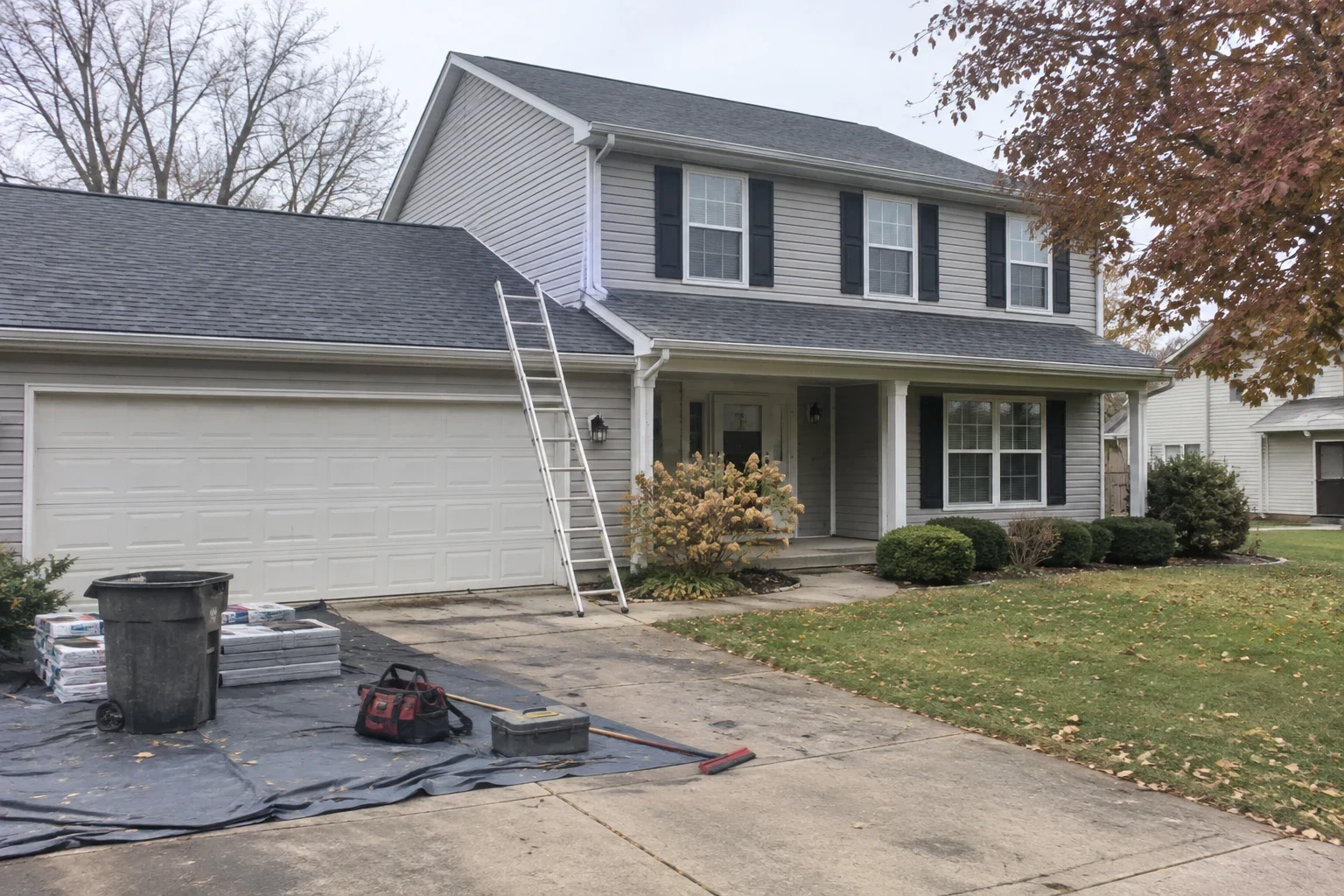
Know Where Your Roof Stands
An inspection now gives you time to budget and pick your timing. We will walk the roof, check the attic and show you exactly what we see.