ServicesSoffit and Fascia
Soffit and Fascia Repair in La Rue, OH
We replace rotted fascia boards, install vented soffit panels and wrap exposed trim in aluminum. Your gutters get solid wood to hang on and your attic gets steady airflow. We show you what we find and explain why it failed, so you can plan the work before rot reaches the rafters.
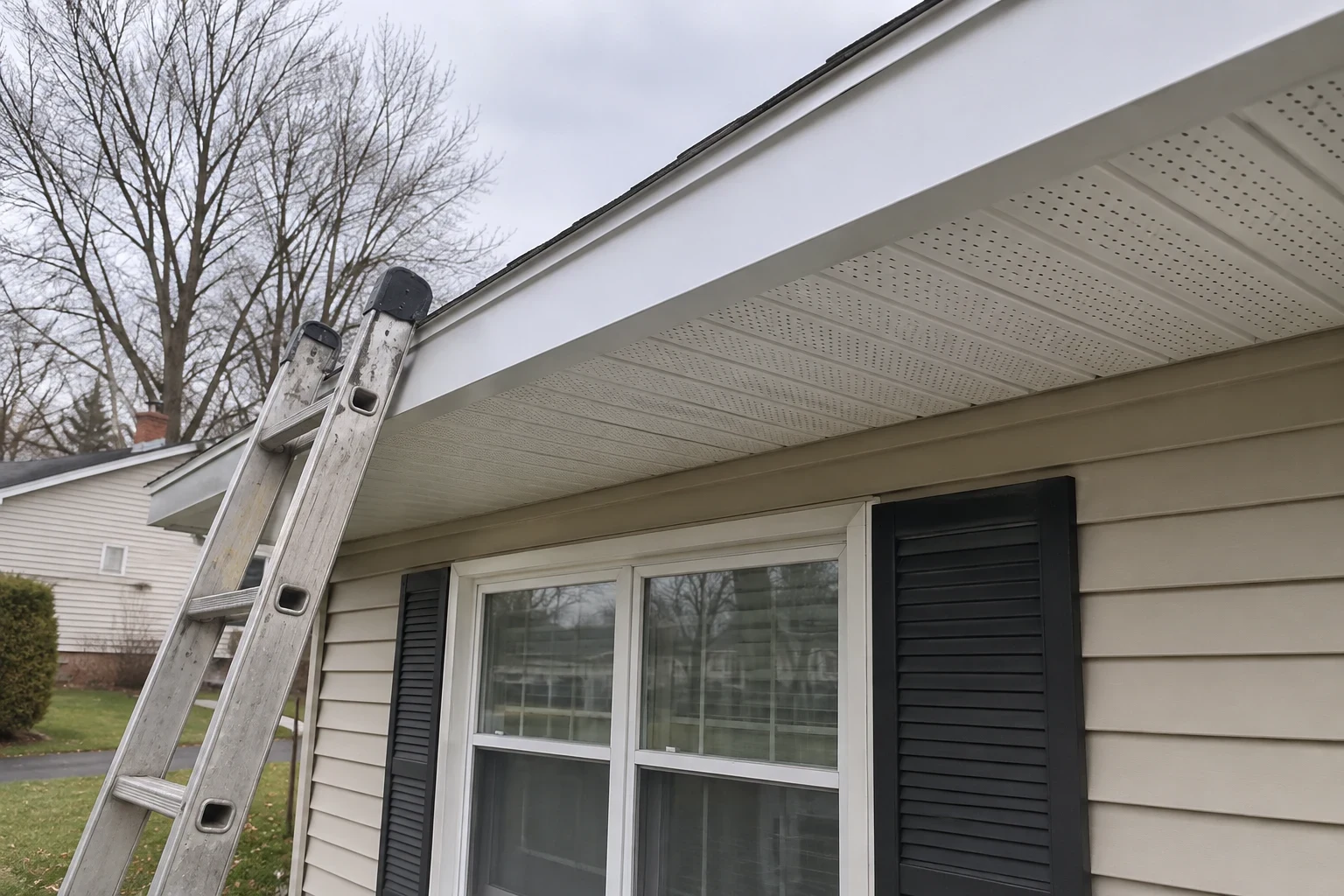
What soffit and fascia actually do
Fascia is the vertical board nailed to the ends of your rafters. It carries the gutters, backs up the drip edge and closes off the roof edge. Soffit is the panel on the underside of the overhang. On most roofs it also holds the intake vents that feed fresh air into the attic.
When either part fails, the problem rarely stays small. A fascia board soaked by an overflowing gutter softens, the gutter spikes or hangers loosen, and water starts running behind the gutter onto the rafter tails. Blocked or damaged soffit starves the attic of intake air. That traps moisture in winter and heat in summer, which shortens the life of your shingles and decking.
Ohio freeze-thaw cycles make this worse. Water that gets into end grain freezes and opens it further every winter. Catching soft spots early means replacing a few boards on a planned date instead of rebuilding a whole run of eave later.
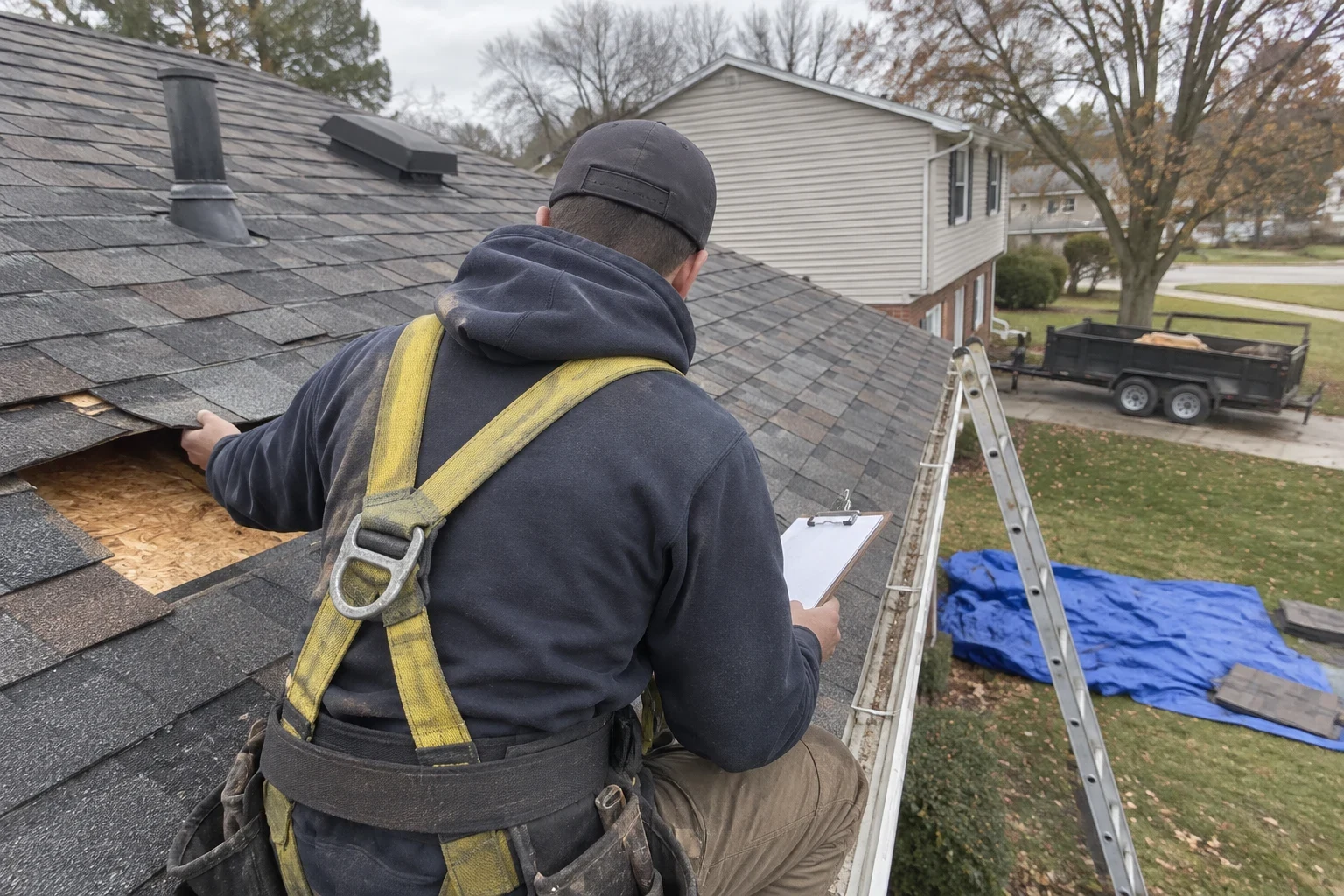
What's part of the job
- 01
New boards for rotted fascia
Soft or cracked fascia is cut back to solid wood, and new boards are fastened to every rafter tail. If the rot has spread into the rafter ends, we show you before going any further.
- 02
Aluminum wrap over fascia
With the wood solid, we can cover it in bent aluminum coil so weather never hits the board directly again. We only wrap sound wood, since wrapping rot just conceals it.
- 03
Soffit with intake vents
Vinyl or aluminum soffit goes into J-channel or F-channel, using vented panels where the attic needs intake air and solid panels where vents would serve no purpose, like above a porch ceiling.
- 04
Opening up attic airflow
Insulation packed into the eaves frequently seals off soffit vents. Where we can get to it, we check the airflow path and suggest baffles so air can move from the soffit up to the roof vents.
- 05
Taking down and rehanging gutters
Putting in new fascia means removing the gutters and hanging them again. We reinstall them on hidden hangers, pitched correctly toward the downspouts. If the gutters are worn out, see our gutters page for replacement.
- 06
Closing gaps animals use
We seal openings that let squirrels, birds and wasps into the overhang and replace panels that are chewed or torn.
Questions about Soffit and Fascia?
Call(740) 913-4252Signs your soffit or fascia needs attention
Peeling paint on the fascia
Paint that blisters or flakes along the roof edge usually means moisture is working into the wood from behind. It is often the first visible sign of rot.
Gutters pulling away or sagging
Gutter spikes and hangers need firm wood to grip. When a run sags or pulls loose, the fascia behind it is often soft.
Stains or dark streaks under the eaves
Water marks on the soffit point to an overflowing gutter, a missing drip edge or ice backing up at the roof edge.
Animals or nests in the overhang
Chewed corners, droppings or birds flying in and out mean there is an opening. Once animals are inside the soffit, they can reach the attic.
Frost or a musty smell in the attic
Heavy winter frost on the underside of the roof deck often traces back to blocked or missing soffit vents.
How a soffit and fascia job runs
- 1
Inspect and probe the wood
We walk the eaves, probe the fascia with an awl to find soft spots and look at the soffit vents from inside the attic where possible. You get photos of what we found and an explanation of the cause.
- 2
Written plan and scheduling
We give you a written estimate broken out by linear foot and material. If the work can wait a season, we tell you so, and you can pick a date that fits your budget.
- 3
Tear-off and repair day
We take down the gutters, remove damaged soffit and fascia, replace rotted wood and install new panels and wrap. Most homes are finished in one or two days, depending on how much wood needs replacing.
- 4
Rehang, check and clean up
Gutters go back up with correct pitch, and we run water to check the flow. We pick up old wood, nails and coil scraps from your beds and lawn before we leave.
What moves the cost
Soffit and fascia jobs are priced mostly by how many linear feet of eave need work and what we find behind the old material. We cannot know the rotted wood count until we probe the boards, so the estimate notes where hidden damage could change the scope. That way you can plan for it instead of being surprised.
- Linear footage and roof shape
- A simple ranch with two long eaves costs less per foot than a house with gables, dormers and many short runs that each need cutting and fitting.
- How much wood is rotted
- Wrapping sound fascia is quicker than replacing boards. Rot that has reached the rafter tails adds carpentry and time.
- Material choice
- Vinyl soffit, aluminum soffit and aluminum fascia wrap differ in material cost and in how long they hold up. Painted wood is cheaper up front but needs repainting.
- Height and gutter work
- Two-story eaves need more ladder or staging work. Removing and rehanging gutters is part of nearly every fascia job and is listed separately.
Soffit and fascia questions
Can you just put aluminum over my rotted fascia?
No. Aluminum wrap sheds water, but it also hides the wood behind it. Rot keeps spreading under the coil, and gutter fasteners lose their grip. We replace soft boards first and then wrap the sound wood.
Do I need vented soffit?
Most roofs with ridge or roof vents need intake air at the soffit to work properly. Without it, the exhaust vents pull air from inside your home or barely move air at all. We check your attic setup and recommend vented panels only where they will do some good.
Should I do this with a new roof or new gutters?
Often that is the best time. During a roof replacement the drip edge comes off anyway, and new gutters need sound fascia to hang on. If you are planning either project, we can price the eave work alongside it so it is done in one visit.
How long does the work take?
An average house usually takes one to two days. Extra rotted wood, a second story or many short runs can add time. We tell you the expected length when we schedule.
Will you handle animals living in the soffit?
We are not a wildlife removal service. Once the animals are out, we repair the damaged panels and close the openings so they cannot get back in. If we see signs of animals during the inspection, we will point them out so you can plan the order of the work.
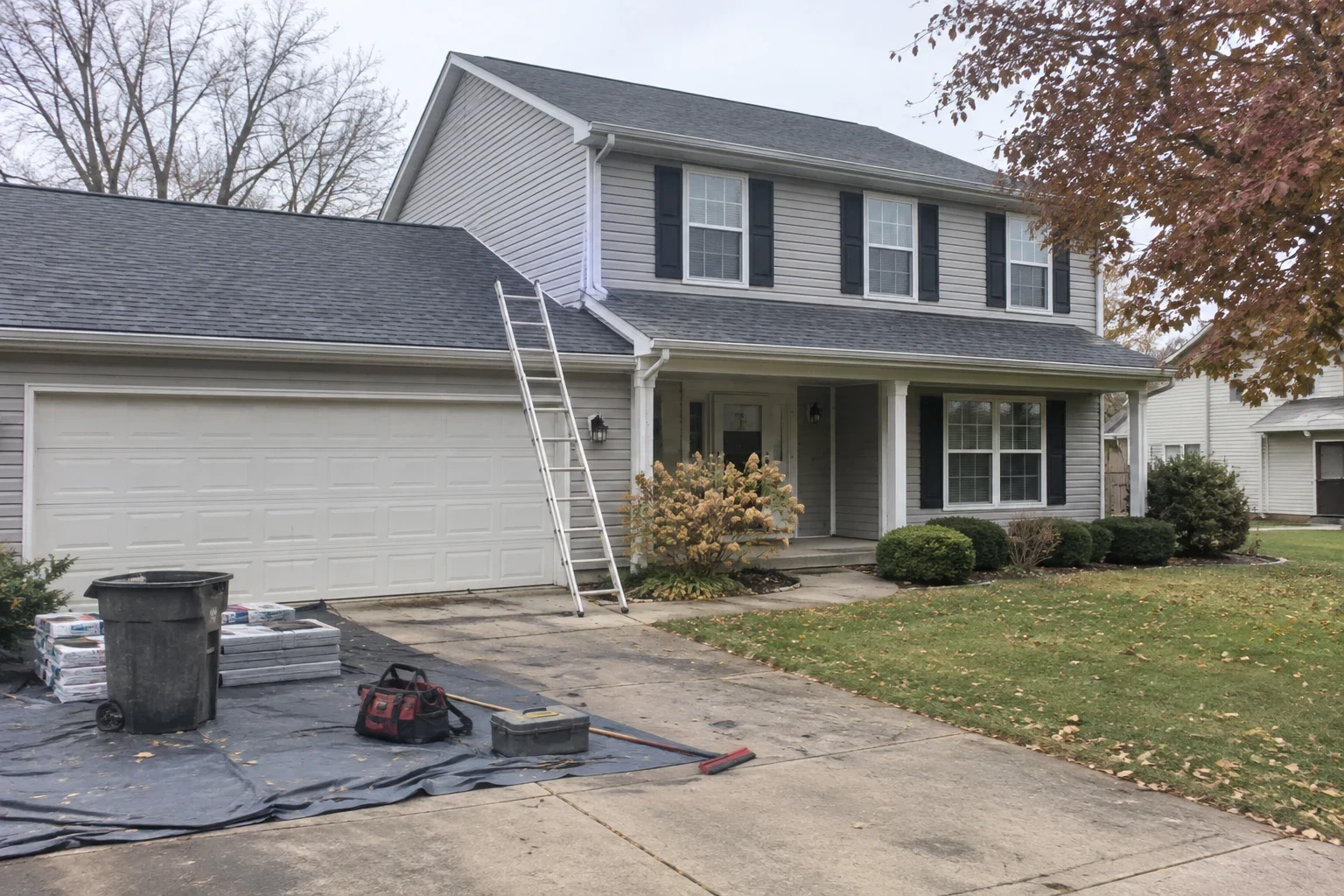
Fix the eaves before winter finds the soft spots
Tell us what you are seeing along your roof edge, and we will set a time to probe the fascia and look at the vents. You will get a written plan you can budget around.